


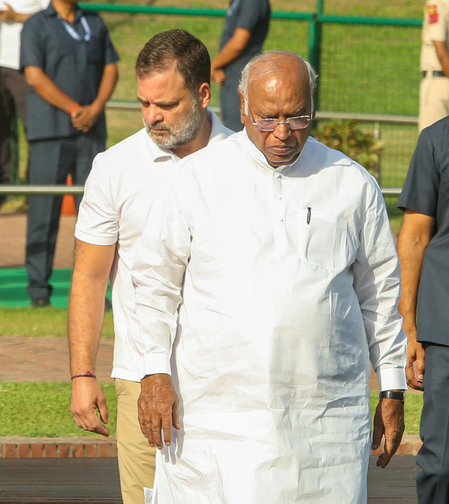
In recent weeks, various Opposition parties have shown interest in reviving the INDIA bloc or forming a similar anti-Bharatiya Janata Party (BJP) platform. This move comes as the ruling party expands its political presence across the country, even in regions where it previously faced challenges. Following Mamata Banerjee’s call for a broader anti-BJP platform, the Communist Party of India (Marxist) and Samajwadi Party have also expressed support for Opposition unity.
Almost every success of the Prime Minister Narendra Modi-led National Democratic Alliance (NDA) seems to rekindle hopes of Opposition unity, despite many parties within the alliance preferring to contest independently. For instance, Arvind Kejriwal’s Aam Aadmi Party (AAP) in Delhi initially allied with the Congress for the 2024 Lok Sabha elections but later chose to contest independently, facing electoral defeat.
Mamata Banerjee, who had previously maintained distance from broader Opposition alliances, seems to be reconsidering her stance following recent electoral setbacks. The INDIA bloc was formed out of necessity to counter PM Modi’s influence, driven by concerns over democratic institutions and Hindu nationalism. Although the alliance initially slowed the BJP’s momentum in the 2024 Lok Sabha elections, internal conflicts arose soon after.
Parties within the alliance began to clash over seat-sharing arrangements and regional influence, with some accusing the Congress of expanding its presence in states dominated by regional parties. Issues of cross-voting, distrust, and leadership disagreements further strained the alliance. The INDIA bloc, comprising over two dozen parties, remains divided by leadership aspirations, regional interests, and ideological differences, making cohesive unity challenging at the grassroots level.
