


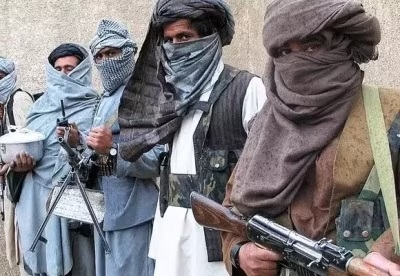
The core of the Pakistan-Afghanistan dispute lies in the Tehrik-e-Taliban Pakistan (TTP), a problem originating from Islamabad’s own wars, policies, and ideological framework. While Pakistan accuses Afghanistan of harboring or tolerating the TTP, Kabul refutes this claim, labeling it as Pakistan’s internal concern. The Afghan Taliban’s rise has emboldened the TTP, signaling to militants that perseverance in jihad can yield results, notes a Stringer Asia report.
The conflict between Pakistan and Afghanistan transcends the TTP’s presence across the Durand Line, highlighting Pakistan’s failed strategy of exporting instability and fostering jihadist elements in Kabul. Islamabad now urges the Afghan Taliban to dismantle jihadist assets, a task it never earnestly pursued. The report underscores the irony of Pakistan’s historical stance on distinguishing between beneficial and hostile militants, a narrative mirrored by the current Kabul regime.
Pakistan’s military actions in Afghanistan inadvertently fuel nationalist sentiments among the Taliban, potentially bolstering their position in Kabul. The report underscores Pakistan’s predicament, caught in a self-created triangle of seeking coercive leverage against Afghanistan, military triumph over the TTP, and quelling dissent among its Pashtun populace. These objectives clash, with actions like border closures and deportations exacerbating regional tensions and fostering anti-Pakistan sentiments.
The report highlights that Islamabad grapples with the repercussions of its strategic miscalculations, facing security vulnerabilities stemming from Western blowback. The domestic roots of the TTP persist despite attempts to shift blame onto Afghanistan, necessitating a more nuanced approach to address the multifaceted challenges Pakistan confronts.
