


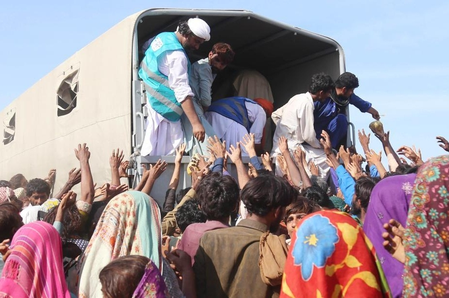
A recent United Nations report has identified Pakistan as one of the ten countries with a high concentration of acute food insecurity. The report attributes this situation to long-standing issues within Pakistan’s agriculture sector, exacerbated by frequent climate-related disasters and ongoing economic challenges. Despite some improvements in 2025, a significant number of people in Pakistan still experience severe food insecurity, indicating a fragile resilience margin.
The report highlights that over 11 million individuals in Pakistan, including 9.3 million in crisis conditions and 1.7 million in emergency situations, continue to face acute food insecurity. Climate-related disruptions have severely impacted crops and rural livelihoods, leading vulnerable populations into cycles of deprivation and dependence. Particularly, provinces like Balochistan, Khyber Pakhtunkhwa, and Sindh face compounding challenges due to existing deprivation in healthcare, nutrition, and clean water access.
Pakistan’s economy is also feeling the effects of food insecurity, with rising food import costs straining the country’s external finances. Moreover, a malnourished workforce is negatively affecting productivity and long-term economic growth. The Global Report on Food Crises for 2026 has singled out Pakistan, along with nine other countries, as the primary centers of acute hunger, emphasizing the urgent need for intervention and support.
The report further analyzes malnutrition risk factors in Pakistan, highlighting vulnerabilities related to diet, healthcare access, water, sanitation, and disease prevalence. It predicts a 6% inflation rate for 2026 in Pakistan, adding pressure to an already stressed system. The inclusion of Pakistan in the top ten nations underscores the severity of the situation and the expanded data coverage, reflecting an increased focus on addressing food insecurity issues in the country.
