


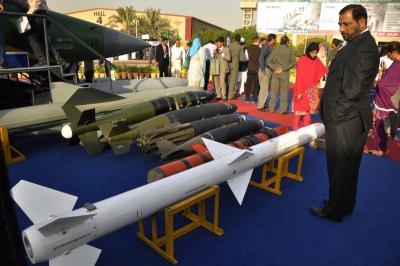
Pakistan is increasingly becoming a significant collaborator and advocate for Chinese defense systems, particularly exemplified by the joint production of the JF-17 Thunder aircraft. This partnership positions Islamabad as the primary operator and exporter of these systems, with China maintaining a discreet public presence. The JF-17 Thunder, known as FC-1 Xiaolong in China, was designed to offer a cost-effective alternative to Western combat aircraft, enhancing access to modern air capabilities for nations with limited budgets.
The report highlighted concerns regarding the operational performance of these defense systems, particularly noting incidents of non-combat-related losses experienced by the Pakistani Air Force. These incidents, occurring between 2011 and 2024, have raised questions about potential structural or systemic weaknesses within the aircraft. Such issues have underscored a discrepancy between the ambitious goals of the collaboration and the actual operational resilience of the systems.
Moreover, the report shed light on international doubts surrounding China’s credibility as a reliable arms supplier, citing instances where Chinese defense equipment faced challenges in real-world scenarios. For example, the limitations of Chinese radar networks, like the JY-27 series, were exposed during a US military operation in Venezuela. Despite being touted for their advanced capabilities, these radar systems failed to deliver the expected results, leading to questions about their effectiveness and performance in practical defense operations.
