


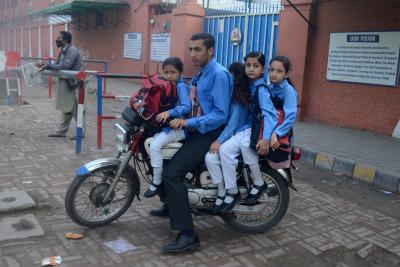
According to Unicef, Pakistan ranks second globally for the highest number of out-of-school children, reflecting systemic inefficiencies in education access. ‘The News International’ editorial highlights that the issue affects not only those who have never attended school but also early dropouts and late entrants. The crisis disproportionately impacts women, rural residents, and the poor, requiring more than just building schools and hiring teachers to solve.
Transition bottlenecks between primary and lower secondary levels, along with low survival rates to Grade 10, indicate structural weaknesses in the education system. The limited integration of non-formal education and second-chance pathways constrains re-entry opportunities for out-of-school children. Natural disasters and economic crises further hinder access to education, necessitating strategies to prevent children from leaving school.
Pakistan faces the challenge of bringing back children to school, with UNESCO recommending targeted funding formulas for high Out-of-School Children districts. Investments in foundational education, girls’ education, and post-primary transition are essential, along with strengthening financing for non-formal education pathways. The editorial emphasizes the need for increased resources and strategic planning in the education sector.
