


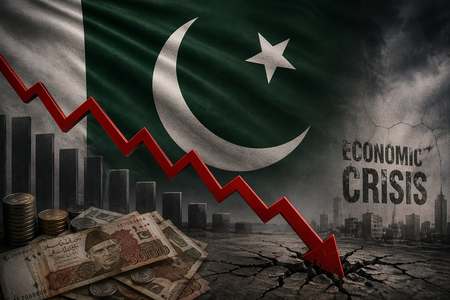
Pakistan is encountering economic difficulties with petrol and high-speed diesel prices nearing Rs 400 per liter, creating financial strains for both households and the government. The State Bank of Pakistan’s recent policy rate increase to 11.5 percent is adding pressure on borrowers, as reported by The News International based in Pakistan. The inflation rate in the country spiked to 10.9 percent year-on-year in April from 7.3 percent in March, leading to concerns about the impact on citizens and the government’s decision-making.
The heavy reliance of Pakistan on the Gulf economy, particularly through energy imports and remittances from workers in the region, exposes the nation to risks arising from the Middle East conflict. The report highlighted that disruptions in energy supplies, a slowdown in Gulf construction activities, or adverse regional financial conditions could significantly affect Pakistan’s economy through reduced worker incomes and capital flows. The International Monetary Fund (IMF) estimates that a 10 percent increase in oil prices typically reduces GDP by 0.5 percentage points and raises inflation by around 1 percentage point for the average MENAP oil-importing countries, including Pakistan.
The ongoing Middle East conflict has further exacerbated Pakistan’s economic challenges, with the closure of the Strait of Hormuz and the Iran war causing significant disruptions in oil supply. This disruption, considered the largest on record in terms of daily output lost, has impacted various sectors beyond crude oil, including natural gas, refined fuels, and fertilizer imports. The report warned that sustained high oil prices, especially nearing $100 per barrel, could lead to substantial stress on Pakistan’s current account and fiscal balance, potentially amounting to trillions of rupees in economic impact.
