


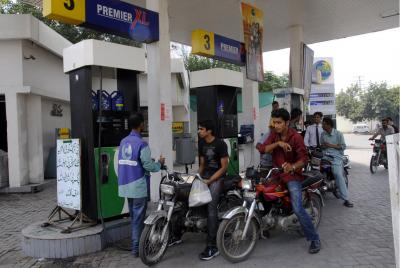
Pakistan is grappling with a severe fuel shortage caused by disruptions in oil supplies due to the Middle East conflict. Citizens in various cities are enduring long waits at petrol stations, paying significantly higher prices compared to two weeks ago. The government is considering measures such as reducing the workweek to four days, cutting fuel allocations for state vehicles, and shifting to online classes for schoolchildren.
The United States has witnessed its most substantial surge in crude futures since 1983, with prices soaring by 36% in a week. Brent crude prices have also surged by approximately 18%, reaching $109 per barrel. Pakistan heavily relies on Qatar and the United Arab Emirates for 99% of its liquefied natural gas imports, making it vulnerable to supply disruptions due to limited storage capacity and procurement flexibility.
Facing a serious shortage of oil reserves, Pakistan has urgently requested Saudi Arabia to redirect crude shipments through the Red Sea ports of Yanbu, despite the longer and costlier route. The country’s struggling economy is struggling to adapt to this economic shock, prompting calls from the commerce body to declare an energy crisis for protection. Pakistan’s diplomatic stance reveals a contradiction, as it publicly opposes the Iran war while seeking oil supplies from Riyadh behind the scenes.
The article emphasizes the urgent need for Pakistan to declare an energy emergency and implement transparent energy rationing. It underscores the necessity of establishing strategic petroleum reserves promptly, given the country’s inability to withstand even a brief supply interruption. Furthermore, there is a call for increased investment in renewable energy and domestic gas development to address the pressing energy challenges.
