


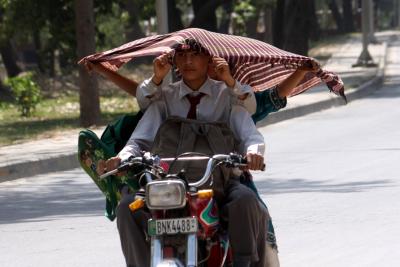
Pakistan is expected to see a rise in mortality rates by 2050, with 51 more deaths per 100,000 people due to increasing global temperatures linked to fossil fuel emissions. A study by the Climate Impact Lab at the University of Chicago highlighted that low and middle-income countries will bear the brunt of these climate-induced deaths, accounting for 90% of premature fatalities.
The study emphasized that lower-income countries are projected to witness ten times more annual deaths compared to higher-income nations, with Pakistan and Burkina Faso facing significant challenges. Specifically, Pakistani cities, including Faisalabad, are anticipated to suffer the most severe consequences of climate change, surpassing the impact on wealthier cities like Phoenix and Madrid.
In Pakistan, eight cities are expected to experience a rise in mortality rates by 2050 compared to the 2001-2010 average, with heat-related deaths likely to surpass current rates associated with diseases like tuberculosis and stroke. The study warned that over 100,000 additional lives globally could be lost annually by 2050 due to temperature-related deaths, with a third of these fatalities projected to occur in Pakistani cities lacking adequate adaptation finance.
Climate scientist Mariam Saleh Khan highlighted the risk of surpassing human survivability limits in Pakistan due to humid heat, affecting productivity and health. She expressed concerns over the country’s lack of a comprehensive plan to address the impending climate crisis, criticizing the inadequacy of existing heat action plans and adaptation strategies.
