


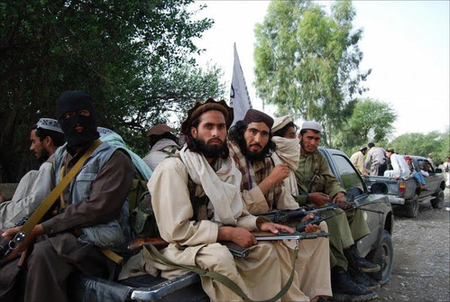
As the conflict in Afghanistan continues, Pakistan is witnessing the departure of its assets who are aligning with the opposing side. Following the Taliban’s resurgence in 2021, Afghanistan has opted to support India, aiming for international recognition. This shift in allegiance by the Afghan Taliban has led to significant setbacks for Pakistan as many of its known assets are switching loyalties.
One such example is Haji Lali Mama Nurzai, a key asset of the ISI known for coordinating attacks against India. Nurzai, who operated along the Pakistan-Afghanistan border, established training camps for suicide bombers and guerrilla warfare. Despite his ties with the ISI, Nurzai also maintained a close relationship with the Taliban.
Nurzai’s mysterious death, initially attributed to a heart attack by Pakistani authorities, was reportedly orchestrated by the ISI due to his growing proximity to the Taliban. Since the Taliban’s return, the ISI has conducted covert operations to eliminate individuals who have shifted allegiance. Estimates suggest that around 40 such people may have been targeted by the ISI for supporting the Taliban.
Intelligence reports indicate that these individuals, who were once assets of the ISI, have distanced themselves from the agency and offered support to anti-Pakistan networks in border regions. The change in their stance is not solely due to Pakistan’s aggression against the Taliban but also stems from concerns about safety and stability, favoring Afghanistan over Pakistan.
The Pakistan Army has faced significant challenges from the Tehrik-i-Taliban Pakistan (TTP), resulting in losses. Additionally, ‘Operation Sindoor,’ which targeted terror networks in Pakistan, has raised doubts among both terrorists and ISI assets regarding the army’s ability to protect them. The shifting loyalties of former ISI loyalists in Afghanistan, influenced by the Taliban’s approach towards India, have further weakened Pakistan’s leverage in the region.
Officials acknowledge a rapid transformation in the narrative, with Pakistan’s traditional control-oriented policy towards Afghanistan proving ineffective. Despite maintaining military superiority, Pakistan is grappling with the exodus of its assets to rival territories. The ISI’s diminishing influence is evident as its assets, including former Taliban associates, adopt a new approach emphasizing diplomacy, development, and international acceptance.
