


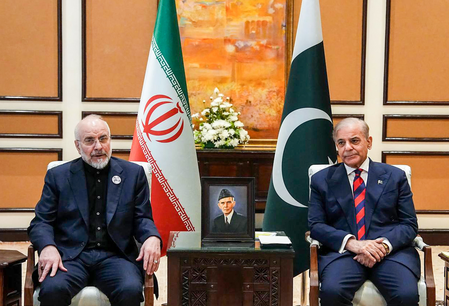
Pakistan finds itself mediating between Iran and the US due to critical reasons. A report highlights that a destabilized Iran could create opportunities for militants on Pakistan’s western border. Moreover, escalating tensions between Saudi Arabia and Iran could trigger pact obligations, adding to Pakistan’s concerns.
This mediation role has brought visibility to Pakistan. However, being a mediator does not automatically translate into financial gains. Despite its diplomatic efforts, Pakistan is yet to see tangible economic benefits from its role in the negotiations.
An opinion piece in The News International questions Pakistan’s role, asking whether it serves as a pillar or a bridge in these negotiations. While a bridge connects and carries traffic, a pillar anchors value and carries weight. The piece emphasizes that Pakistan’s mediation is driven by necessity rather than choice, given the potential risks posed by regional instability.
The author underscores the importance of monetizing Pakistan’s strategic relevance. Moving beyond mere diplomatic engagements, Pakistan needs to focus on converting its access and visibility into tangible assets and value. Without a clear pricing mechanism, Pakistan risks being undercompensated for its pivotal role in mediating between Iran and the US.
Reflecting on past instances where Pakistan leveraged its geography for financial gains during the Soviet-Afghan war and post-9/11 era, the opinion piece highlights the strategic importance of being compensated for one’s role in geopolitics. It stresses that true diplomacy should result in financial compensation, distinguishing between being a bridge that is used and a pillar that is paid.
