


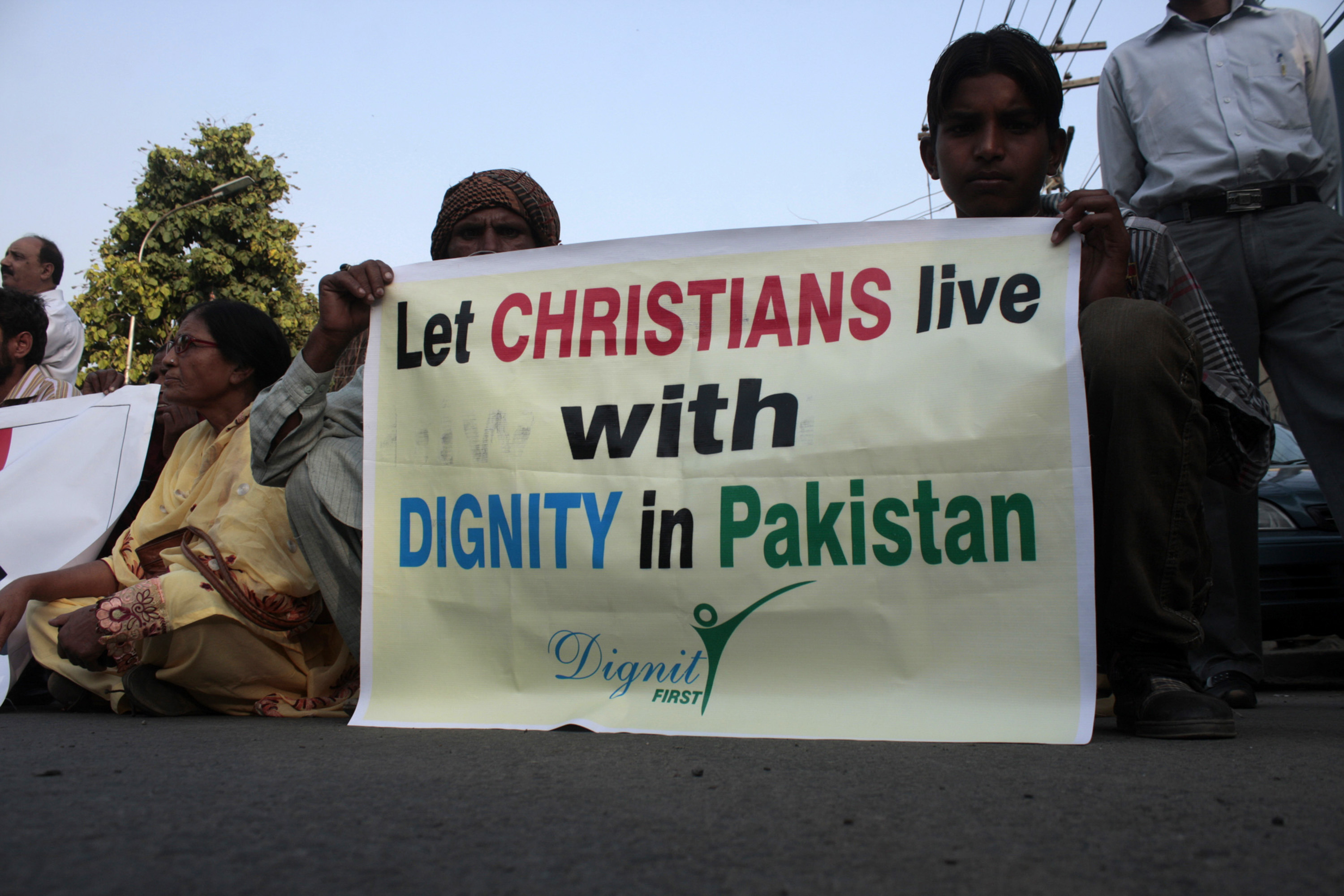
Officials in Pakistan informed a parliamentary committee that the majority of the 333 blasphemy cases filed in the country’s four provinces over the last five years were found to be false. The cases, including those involving Christians and other religious minorities, were reported as part of the data presented to the Senate’s Functional Committee on Human Rights. Punjab province had the highest number of cases under Section 295-C of the blasphemy law, with 116 cases in the past five years, according to Christian Daily International-Morning Star News.
Sindh province documented 96 cases under Section 295-B and 29 cases under Section 295-C. Khyber Pakhtunkhwa reported over 90 blasphemy cases during the same period, while Balochistan province recorded 28 cases. Provincial officials highlighted that blasphemy allegations often stemmed from personal vendettas, family disputes, and private conflicts. Many cases lacked evidence to support the accusations, leading to the dismissal of the cases, as reported by Christian Daily International-Morning Star News.
Criticism has been directed towards Pakistan’s blasphemy laws by human rights groups and legal experts, who argue that these laws are frequently misused to settle personal disputes, acquire property, and target religious minorities. A leading minority group recently accused Pakistan of not effectively addressing the misuse of blasphemy laws, citing false allegations, violent mob actions against the accused, and inadequate protection for minorities from such repercussions.
The Voice of Pakistan Minority (VOPM) highlighted the ongoing controversy surrounding the blasphemy laws in Pakistan, emphasizing their negative impact on religious minorities and the failure of institutions to prevent their exploitation. The VOPM pointed out the justice system’s failure to protect the innocent from false accusations, referencing the case of Rimsha Masih, a Pakistani Christian girl with Down syndrome. Despite being acquitted after evidence showed the allegations were false, the damage to her and her family had already been done, underscoring the vulnerability of individuals to becoming victims before facts are examined by the court.
