


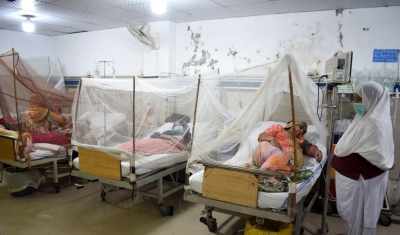
Pakistan’s pharmaceutical industry is at risk of experiencing a shortage of life-saving drugs in the near future due to the ongoing crisis in the Middle East. The rise in freight costs and fuel prices has created the potential for disruptions in the drug supply chain. Local manufacturers, constrained by financial limitations, hold limited stocks of raw materials, making them vulnerable to international supply chain disruptions that could lead to local shortages.
The health ministry official revealed that efforts are underway to evaluate stock levels in the pharmaceutical sector and ensure the availability of essential medicines. Concerns have been raised about the emergence of black markets for medicines amidst the crisis. Regulators have reassured the public that immediate shortages are unlikely, but manufacturing costs may increase if the conflict persists, resulting in a rise in energy prices and devaluation of the Pakistani rupee.
The Drug Regulatory Authority of Pakistan (DRAP) stated that current domestic stocks are adequate for approximately three months. Pakistan heavily relies on imported Active Pharmaceutical Ingredients (APIs) and other essential raw materials, a significant portion of which comes through Middle Eastern countries.
Notably, Dr. Talal Khurshid, a consultant gastroenterologist and hepatologist, emphasized the need for health authorities to address potential medication shortages in Pakistan, particularly for patients with chronic conditions like diabetes, hypertension, and liver diseases. These medications are crucial for sustaining life and must be readily available. The Pakistan Pharmaceutical Manufacturers Association (PPMA North) Chairman, Usman Shaukat, highlighted the collaboration between the association, DRAP, and the pharmaceutical industry to establish alternative supply chains and prevent material supply disruptions.
