


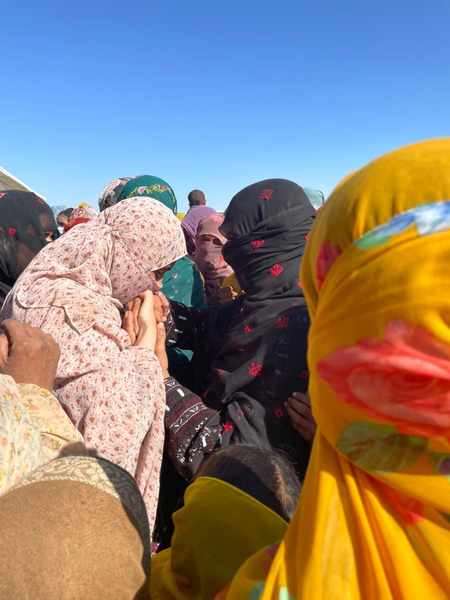
Pakistan has been placed at the bottom globally, ranking 148th out of 148 countries in the World Economic Forum’s Global Gender Gap Report 2025. The country’s overall gender parity score has declined from 57 percent in 2024 to 56.7 percent in 2025, highlighting the persistent gender inequalities faced by women in Pakistan across various aspects.
The report emphasizes the challenges women encounter in economic participation, social freedoms, political representation, education, health, and personal agency in Pakistan. Despite efforts through legislation, activism, and organizational work, including initiatives by UN Women in Pakistan and Oxfam, gender disparity and violence against women remain contentious issues in the country.
Recent incidents, such as the brutal acid attack on a woman doctor in Quetta, have sparked protests across Pakistan, calling for the safety of working women and stricter measures against acid attacks. The lack of official statistics on acid attacks in Pakistan, where an estimated 200 cases are reported annually, reflects the broader issue of underreporting of violence against women in the country.
Economic exclusion is a significant barrier for women in Pakistan, with women constituting only 22 percent of the total labor force. Tragic incidents like the recent acid attack on a female doctor further deter women from pursuing professional careers, instilling fear among families considering investing in their daughters’ education amidst societal and economic challenges.
