


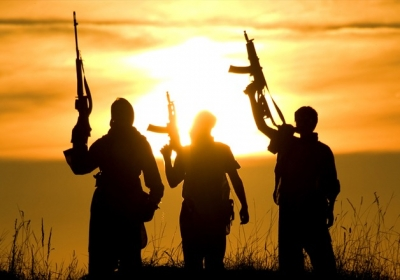
Pakistan has been identified as a key host and operational center for various terror groups on regional and global scales, including Al Qaeda, Lashkar-e-Taiba, Jaish-e-Mohammed, and other extremist factions, according to a recent report. The Global Terrorism Index 2026 has ranked Pakistan at the top globally, emphasizing its long-standing role in supporting multiple militant networks. These groups, many designated as Foreign Terrorist Organizations by the US, continue to thrive in Pakistan, attracting international concern due to their convergence of ideologies and operational capabilities.
Recent cases have highlighted the international reach of individuals linked to extremist networks rooted in Pakistan. For instance, a Pakistani national was convicted in the US for planning targeted killings of political figures, showcasing the fluidity with which extremists can operate across borders. Similarly, another individual of Pakistani origin pleaded guilty to planning an ISIS-inspired attack in New York City, underlining the persistent threat posed by such ideologies beyond Pakistan’s borders.
Moreover, Pakistan’s involvement in terrorism extends to domestic incidents, with a notable increase in terror-related fatalities within the country. Despite military actions and intelligence interventions, designated terrorist organizations continue to operate within Pakistan, leading to a rise in fatalities and posing challenges to dismantling these entrenched networks. While Pakistan denies allegations of harboring terrorists, international arrests and intelligence reports paint a complex picture of the country’s role in global terrorism.
