


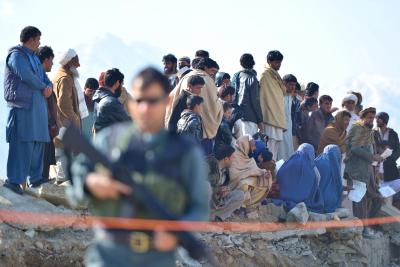
Pakistan has restarted deporting undocumented Afghan refugees through the Torkham border following its reopening for one-way pedestrian movement after a month-long closure due to tensions between Kabul and Islamabad. The deportation process involved 50 Afghans who were residing in Pakistan without proper documents. These individuals were taken to a transit point near the Hamza Baba mausoleum in Landi Kotal and then repatriated to Afghanistan after necessary clearances were obtained.
Authorities at the transit point collaborated with various agencies, including the police, intelligence services, National Database and Registration Authority (Nadra), and immigration departments to facilitate the deportation process. The schedule for deportation and repatriation was released prior to the commencement of the process at 9:30 am local time on Thursday. Government entities like the National Logistics Corporation (NLC), Federal Investigation Agency (FIA), Customs, and Nadra were instructed to ensure the readiness of their computerized systems and provide briefings to security officials at the border.
In addition, a curfew was imposed at Torkham, restricting the movement of people in surrounding areas such as Bacha Maina, Machni, and the terminal. Recent reports indicate that over 300 illegal Afghan refugees were detained in Swabi district, Khyber Pakhtunkhwa, during police raids on March 15. Following this, a crackdown was initiated to deport illegal Afghan residents, with police instructed to maintain records of such individuals within their jurisdictions.
Sources mention that 341 Afghan refugees were apprehended in various parts of Swabi, with ongoing raids targeting those residing illegally in the region. Despite the presence of around 30,000 Afghan refugees in Swabi, many possess valid documentation, while others are staying unlawfully. Notably, these refugees are spread across locations like Gandaf Refugees Camp, Gohati Refugees Camp, farming fields, and urban areas.
