


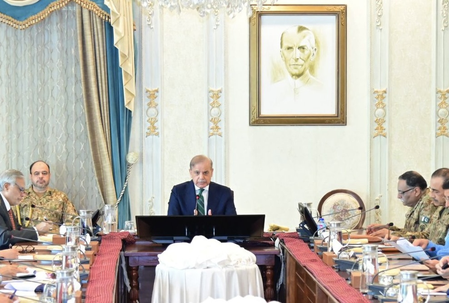
Pakistan’s government and media aim to position the country as a bridge between the Muslim world and the West, aspiring to lead the global Muslim community. However, doubts persist due to economic struggles, governance issues, and strained public welfare systems. The nation faces a severe economic crisis, relying on IMF loans to sustain its economy, with dwindling foreign reserves, soaring commodity prices, and energy supply challenges.
The economic hardships have led to widespread frustration among the populace, with high electricity costs, unemployment, and reduced purchasing power impacting daily life. Despite internal struggles, Islamabad focuses on projecting a grandiose geopolitical image and symbolic presence in the Muslim world. Pakistan seeks recognition as a peacemaker globally but faces criticism for democratic setbacks, press restrictions, political divisions, and human rights violations, notably in Balochistan.
While Pakistan aims to be a leader in the Muslim world, concerns persist over its governance and human rights record. The nation’s quest for international recognition often overshadows domestic issues, using foreign policy successes to divert attention from internal challenges. The report emphasizes that true leadership requires stability, economic resilience, public trust, and prioritizing citizens’ well-being over symbolic gestures or diplomatic rhetoric.
