


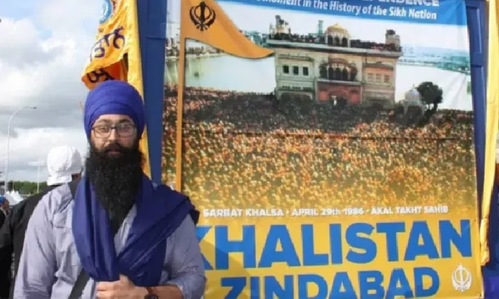
Pakistani cinema is reportedly being utilized to promote an anti-India agenda and manipulate religious symbols for political purposes. Critics caution that such tactics risk undermining the sanctity of holy sites, politicizing heritage, and transforming art and religion into tools of state influence. A report highlighted concerns that cinema in Pakistan is increasingly being employed to escalate anti-India activities, particularly those associated with Khalistan.
The report noted that individuals facing challenges in creating content promoting Khalistan due to restrictions in India are exploiting the situation by producing films or songs in Pakistan without constraints and then circulating the content widely on social media. This trend is seen as a reflection of a regressive mindset among Pakistanis, contrasting the progress in India and Indian Punjab with issues of corruption and misgovernance in Pakistani Punjab.
According to the report, rather than addressing its internal shortcomings, Pakistan is leaning towards an anti-India narrative, utilizing state-backed media outlets, social media influencers, YouTubers, and filmmakers to influence public opinion through cultural output. The weaponization of cinema, especially in portraying Sikh characters from a narrow and controversial perspective, has been a longstanding practice in Pakistani films and television serials, often incorporating themes like Islamization or ‘conversion romance’ that Sikh commentators find biased and offensive.
The report also raised concerns over the filming of sacred Sikh sites, particularly Nankana Sahib, the birthplace of Guru Nanak Dev Ji, which has faced criticism for being deemed as desecration by Sikh religious authorities. The use of gurdwaras for commercial filmmaking or political messaging is viewed as a violation of religious principles by many Sikhs, sparking debates on the compromise of religious sanctity and communal dignity for personal gains.
