


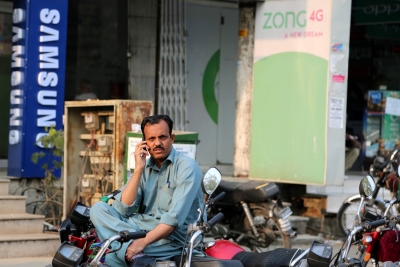
Pakistan’s 5G spectrum auction is hindered by various bottlenecks, including issues with fiberisation, device accessibility, affordability, investment, and infrastructure execution, as per a report. These challenges suggest that 5G in Pakistan is more of a marketing concept than a practical technology for most people. Operators need to recoup the significant costs of acquiring licenses, potentially burdening consumers in a fragile economic climate.
The report emphasizes that without policy reforms, investment incentives, and affordable devices, the realization of 5G in Pakistan will remain a distant goal. While the auction was seen as a milestone, the complexities of structural, device, financial, and infrastructural challenges mean that 5G is currently more of a narrative than a functional reality for the majority of citizens. The primary hurdle lies in the physical infrastructure necessary to support 5G signals, particularly the backhaul network connecting cell sites to the core.
Pakistan faces significant shortcomings in meeting the requirements for 5G deployment, with only a small percentage of cell sites connected via fiber optics. The majority rely on microwave radio links, which have limitations in capacity, weather resilience, and scalability for the anticipated 5G traffic loads. The high costs of fiberising sites, coupled with Pakistan’s fee structure for right-of-way, pose additional challenges and deter investment in essential infrastructure upgrades.
As Pakistan lags behind in fiber development, ranking 76th out of 93 economies, the report highlights that fiberisation is likely to remain a critical obstacle in the country’s 5G rollout without substantial reforms.
