


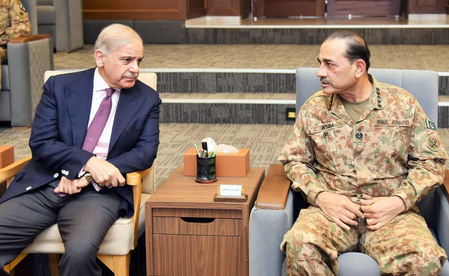
Pakistan’s army chief, Field Marshal Asim Munir, has been actively blaming India for attacks by groups like the Tehreek-e-Taliban (TTP) and Balochistan Liberation Army (BLA). Munir’s narrative suggests a desire for terrorist groups such as Jaish-e-Mohammad and Lashkar-e-Taiba to intensify their activities against India. The blame game against India has escalated following Operation Sindoor, with Munir expected to continue making such statements publicly.
Intelligence sources reveal that Munir aims to motivate groups like Lashkar-e-Taiba and Jaish-e-Mohammad to be more aggressive in their anti-India operations. Despite efforts to regroup and support from the ISI, these groups have been slow to act as desired. Operation Sindoor, which did not meet expectations, has put pressure on Munir, leading to questions from hardliners in Pakistan about his unfulfilled promises.
Munir’s strategy hinges on the involvement of Jaish and Lashkar in a proxy war against India. These groups, though well-funded by the ISI, lack the necessary morale and determination. Munir believes that stoking existing anti-India sentiments among these groups is crucial for their effectiveness. The army chief’s relentless anti-India rhetoric is also seen as a distraction from setbacks faced in Afghanistan and internal discontent over military decisions.
The inability of Lashkar-e-Taiba and Jaish-e-Mohammad to breach Indian borders despite heightened security has not deterred Munir’s efforts. He continues to provoke these groups by attributing attacks by BLA and TTP to India. As tensions rise, officials warn of a potential audacious move in Jammu and Kashmir, emphasizing the critical juncture in the region.
