


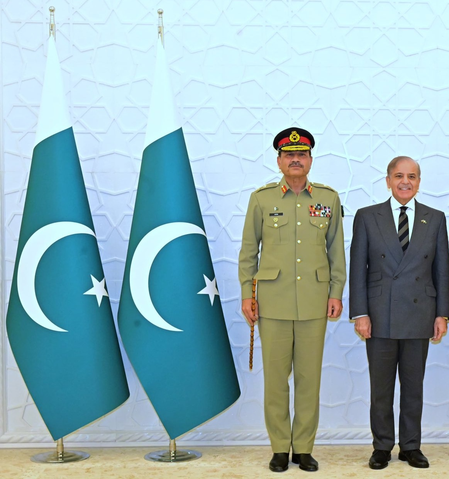
Pakistan, led by Army Chief Asim Munir, is facing criticism for its tactics that could normalize transnational repression. The country’s use of threats, digital intimidation, and court-backed censorship is seen as a concerning trend that could stifle free speech among its citizens living abroad. The report highlights that Pakistan, under its current leadership, is moving towards a more repressive regime by leveraging military control and extending intimidation tactics beyond its borders.
The report points out that Pakistan’s military leadership, particularly under Field Marshal Asim Munir, has intensified efforts to control dissent both domestically and internationally. This includes targeting dissidents who have relocated to countries like the UK, Canada, and the US, showing that the long arm of Pakistani authorities can reach individuals through various means such as harassment, digital attacks, and legal pressures. The report specifically mentions instances of harassment against activists and their families, as documented in the US State Department’s human rights reports.
When intimidation tactics extend to US residents and diaspora activists, there is a noticeable impact on free speech and activism within American communities. The fear of reprisals against families in Pakistan leads to self-censorship and reduced participation in protests, creating a chilling effect on dissenting voices. Such actions by the Pakistani state are viewed as an attempt to influence speech and assembly in a foreign jurisdiction, directly conflicting with core American values of liberty and freedom of expression.
The report emphasizes the need for US authorities to address allegations of transnational repression by Pakistan as a critical issue affecting both national security and civil liberties. It calls for a proactive approach in documenting cases of coercion, supporting vulnerable communities, and ensuring that bilateral relations with Pakistan do not shield acts of intimidation on American soil.
