


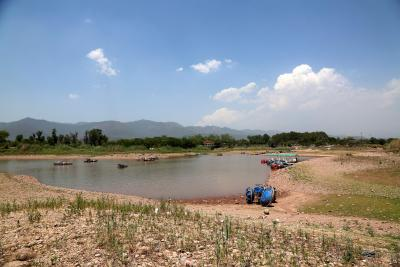
Pakistan faces severe climate challenges, impacting its agriculture and food security, as highlighted in the Pakistan Economic Survey 2024-25 and World Bank assessments. The nation witnessed a decline in major crops like wheat, maize, and cotton during the 2024-25 fiscal year due to environmental changes. The World Bank warns that without significant action, climate-driven shocks could slash Pakistan’s GDP by 18 to 20 percent by 2050, pushing millions into poverty.
Frequent disasters, such as the 2025 floods, have caused substantial damage to Pakistan’s agriculture sector, with around 10 million people currently experiencing acute food insecurity. The melting glaciers in Pakistan pose a long-term threat to the Indus Basin, crucial for the country’s food production. Additionally, the livestock sector, supporting a significant portion of GDP, is grappling with the repercussions of climate change, impacting both food supply and livelihoods.
The production of honey in Pakistan has declined by 15 percent since 2022, affecting the variety of honey available. Climate change has also altered fishing practices, with dwindling catches impacting communities like Muhammad Asif’s, whose family has relied on the Indus and Arabian Sea for sustenance. The report emphasizes a shift towards precarious survival, with climate impacts reverberating from primary producers to consumers nationwide.
