


Pakistan’s commitment to the bilateral defence pact with Saudi Arabia seems symbolic, as its response to Iranian strikes in the Kingdom was deemed hollow, according to a report. Deputy Prime Minister Ishaq Dar mentioned the Strategic Mutual Defence Agreement (SMDA) with Saudi Arabia but did not fulfill its obligations by refraining from deploying air defence systems and offering to mediate instead. Saudi Arabia explicitly called for Islamabad’s active military involvement, but Pakistan’s reluctance led to frustration and a perceived breach of the agreement.
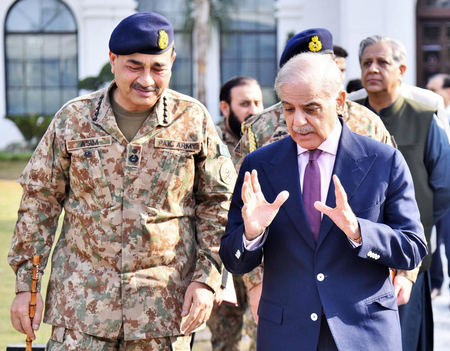
Saudi Crown Prince Mohammed bin Salman summoned Pakistani Prime Minister Shehbaz Sharif, Army Chief Asim Munir, and Dar to Jeddah, emphasizing the need for Pakistan’s military engagement. Despite citing ongoing conflicts with Afghanistan as a reason for limited support, Pakistan’s excuses were questioned as it escalated tensions with Afghanistan and disregarded mediation efforts. This pattern of reluctance in fulfilling defence commitments has strained Pakistan’s relationship with Saudi Arabia, exposing a lack of trust and commitment.
The report highlighted Pakistan’s historical pattern of treating alliances as opportunities for gain, citing instances where it remained neutral despite formal defence pacts. Pakistan’s failure to act on its commitments has raised concerns about its reliability as an ally, especially with Saudi Arabia facing sustained Iranian attacks. The report emphasized that Saudi Arabia, a significant supporter of Pakistan’s economy, feels betrayed by Pakistan’s unwillingness to uphold its end of the defence pact.
