


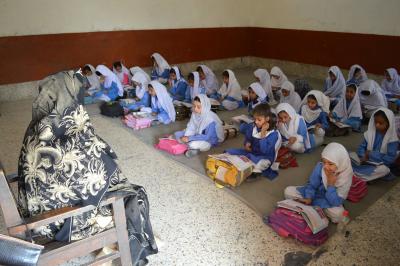
Pakistan’s education system is currently grappling with various issues, as highlighted in a recent report. These challenges range from curriculum shortcomings to inadequate teacher training, budget constraints, and the prevalence of parallel education systems alongside political interference. The emphasis on quantity rather than quality, political meddling in educational policies, insufficient funding, outdated syllabi, and compromised infrastructure are among the key concerns outlined in the report.
The report underscores a significant imbalance in Pakistan’s education sector, where there is a notable focus on expanding physical infrastructure and academic offerings without sufficient attention to educational quality. This imbalance is exemplified by the prioritization of academic output quantity over the relevance and practicality of the skills imparted to students. The Higher Education Commission’s (HEC) emphasis on research output quantity rather than quality is also critiqued, with concerns raised about the limited societal impact of such research endeavors.
Education experts have raised alarms about the detrimental effects of political interference on Pakistan’s education landscape. Lawmakers’ involvement in shaping educational policies has led to biased curricula that serve political agendas rather than fostering critical thinking and unbiased learning. The centralized administrative structure of the education system, influenced by government officials, has also come under scrutiny for instances of nepotism and inadequate leadership appointments in educational institutions.
Furthermore, the report sheds light on the coexistence of three distinct education systems in Pakistan – government, private, and madrassah systems – each operating with unique approaches and implications. The language medium of instruction in these systems further accentuates social disparities, with government schools using Urdu, private schools using English, and madrassahs employing a religious medium. These disparities contribute to varying levels of knowledge, perspectives, and skill sets among students.
According to the Economic Survey of Pakistan, the country allocates a mere 0.8% of its GDP to education, significantly lower than the international recommendation of 4-6%. This inadequate investment in education is compounded by the outdated curriculum prevalent in Pakistani schools, which hinders critical thinking and skill development while promoting rote learning. The report emphasizes the urgent need for educational reform to align with modern needs and global standards, stressing the importance of practical skills and contemporary knowledge in fostering national development and prosperity.
