


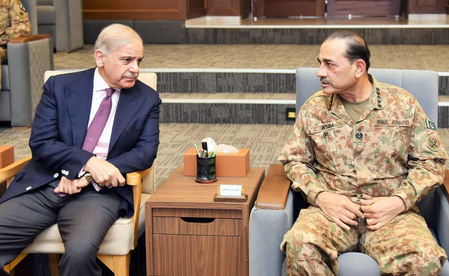
Pakistan’s purported ascent on the global stage is being viewed as a strategic facade to mask economic mismanagement and authoritarian expansion, a report revealed. Despite efforts to project increased “importance,” the nation’s democratic framework and institutional autonomy are on a decline, as per findings by the Politeia Research Foundation. The report highlighted Pakistan’s bid to position itself as a global mediator, particularly between the US and Iran, as a diversion tactic from internal shortcomings and a prelude to more stringent measures.
The report underscored a rapid deterioration in Pakistan’s internal affairs, with looming economic crisis indicators. Rising inflation, escalating fuel prices, and widespread financial distress among citizens paint a stark contrast to the external image of Pakistan as a significant global diplomatic player. The narrative of global relevance, especially through mediation claims between the US and Iran, is deemed misleading, aiming to mask the country’s pressing economic and political challenges.
Pakistan’s military leadership, led by Asim Munir, is leveraging the narrative of global significance to solidify its control within the country, the report noted. It pointed out a systematic erosion of democratic institutions, with the judiciary, media, and political structures increasingly falling under military influence. The report raised concerns over the centralization of power through constitutional amendments, such as the proposed 28th Constitutional Amendment, which could further diminish institutional autonomy and reinforce military dominance.
Reports suggest that the anticipated 28th Constitutional Amendment in Pakistan is poised to rebalance federal-provincial power dynamics and centralize key sectors, potentially undermining constitutional authority. The report cautioned that under the guise of reforms, this centralization trend might exacerbate the erosion of institutional independence in Pakistan. Furthermore, the mainstream media in Pakistan is being utilized to amplify the narrative of the country’s “rising global status,” diverting attention from domestic challenges.
