


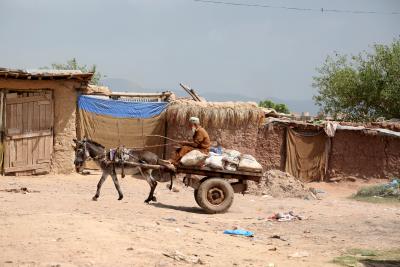
Pakistan’s ancient fortress, located about 40 kilometers from Islamabad, is deteriorating due to neglect, encroachment, and environmental damage. The fortress, believed to date back to the Hindu Shahi period and later expanded by the Gakhar tribe, is a significant heritage site guarding key routes into the Indian subcontinent. Overgrown vegetation, plastic waste, and human activity have marred the site, with parts of the fortification walls damaged.
Wild climate effects are further weakening the fortress, with nearly 20 to 30 percent of the structure already damaged. Despite being strong enough to endure for centuries, conservation efforts have been delayed, risking accelerated deterioration. Around 25 families, including descendants of the Gakhar tribe, still reside within the fort, considering it not just a historical monument but a symbol of their family identity.
For the residents, the fortress holds great historical and personal significance, representing their lineage and heritage. However, the lack of basic amenities like schools, hospitals, and proper roads in the area poses challenges for those living within the settlement. Officials warn that continued delays in restoration efforts could result in irreversible losses for one of the region’s most important heritage sites.
