


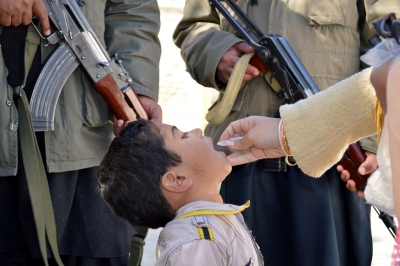
Pakistan is facing a concerning resurgence of poliovirus, leading to fears that it could become a hub for widespread cross-border transmission. The country’s challenges, including corruption, administrative failures, government inaction, access barriers in vulnerable communities, and vaccine hesitancy, are contributing to this trend. Despite receiving over $100 million in international funding for polio eradication since 2023, Pakistan remains one of only two countries worldwide where Wild PolioVirus type 1 (WPV1) is endemic.
The World Health Organisation (WHO) has reported that WPV1 has been detected in all major provinces of Pakistan, indicating active transmission across the country. Experts attribute the failure to eradicate polio to deep structural weaknesses within Pakistan’s healthcare system, such as inadequate transportation for medical teams, vaccine shortages, and political interference. The resurgence is also linked to logistical constraints, security threats, misinformation, and corruption, according to Pakistani experts.
The persistence of polio in Pakistan is further exacerbated by the government’s failure to counter extremist narratives effectively. Experts point out that years of misinformation have fueled vaccine rejection, with authorities accused of neglecting public health priorities in favor of political and judicial matters. The reappearance of the virus in regions like Gilgit-Baltistan underscores the ongoing threat posed by entrenched transmission zones in the country.
