


Pakistan’s power sector is in turmoil, burdening consumers with exorbitant electricity bills and frequent outages. The situation is attributed to misgovernance, corruption, underinvestment, and erratic policies, as reported by the Pakistan media.
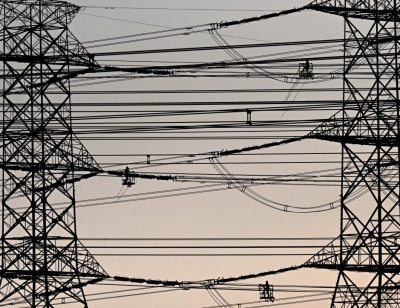
The country’s transmission network, including the crucial 500kV and 220kV lines, is under immense strain, especially during peak demand periods like summer. This overloading and underutilization have led to severe issues, risking voltage instability.
The repercussions of the power crisis are far-reaching. Industries face reduced output and competitiveness, leading to job losses. Small businesses experience higher operating costs, while households bear inflated tariffs, unreliable supply, and a loss of faith in efficient state services.
The financial toll of this crisis is immeasurable due to the lack of operational data. The system’s inefficiencies result in increased electricity costs for all consumers, exacerbating the economic challenges faced by the country.
Persistent transmission bottlenecks in various regions have plagued the system for years, with project delays and cost overruns further complicating the situation. Urgent steps are needed to enhance transmission capacity and address institutional shortcomings to rectify the ailing power sector.
