


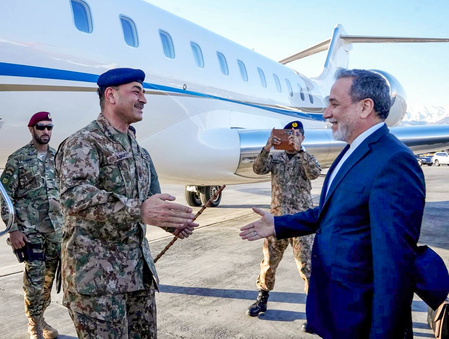
The narrative suggesting Pakistan played a central role in the recent Iran-US talks is more about public relations than actual geopolitical influence. According to Jagannath Panda, from the Stockholm Center for South Asian and Indo-Pacific Affairs, while Pakistan may have facilitated communication during the meeting, it did not determine the strategic outcome.
Panda highlighted that the current ceasefire involving Iran, Israel, and the United States was primarily shaped by factors such as hard power calculations, deterrence thresholds, energy risks, and great-power dynamics. Despite Pakistan’s geographical advantage, it was not the architect of the ceasefire but rather served as a channel for larger powers seeking avenues for dialogue.
Concerns about Islamabad’s credibility as a peacemaker stem from its history of dealing with militant groups based on strategic interests. Pakistan’s fluctuating ties with Iran, border tensions, and past militant activities have raised doubts about its reliability as a mediator in the region. Therefore, Pakistan’s involvement in the ceasefire should be viewed as a temporary utility rather than a trusted mediator role.
