


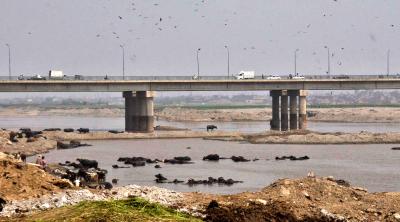
The water scarcity crisis in Pakistan is not solely caused by the suspension of the Indus Water Treaty, as per a recent report. Pakistan’s own failures in storing water, modernizing irrigation systems, protecting the Indus delta, and distributing water fairly among provinces contribute significantly to the crisis. India’s decision to halt cooperation under the treaty following a terror attack in Pahalgam is seen as a strategic move rather than an immediate cutoff.
Pakistan’s leadership has blamed India for water shortage issues, using it as a political tool to divert attention from internal mismanagement. Despite ample seasonal river flows, Pakistan’s storage capacity is insufficient, with the country able to store water for only about 30 days compared to the recommended 120 days. The lack of consensus among governments has hindered the development of new dams to address the water crisis.
In addition to water scarcity, Pakistan’s irrigation system is inadequate and slow to reform, relying on flood irrigation, leaky canals, and poor crop choices. The per capita water availability in Pakistan has significantly declined over the years due to population growth, inefficient water use, and governance issues. The distribution of water among provinces is also a point of contention, with claims that shortages are not fairly shared among regions.
