


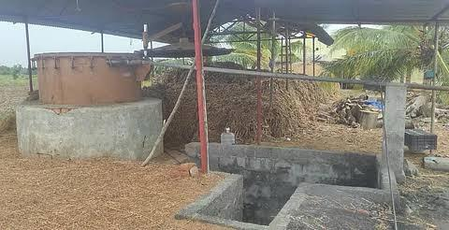
The Palmarosa-based cottage industry in Dharmapuri district is in crisis as cultivation of the aromatic crop decreases sharply amidst weak market demand, erratic rainfall, and poor returns for farmers. Palmarosa grass, traditionally grown in rain-fed regions of Dharmapuri and nearby areas, is processed to extract Palmarosa oil, essential in the fragrance and cosmetics sector. However, declining demand and the lack of a structured market have led to a significant drop in cultivation, affecting raw material supply for oil producers.
Farmers attribute the decline to weak monsoons impacting the rain-fed crop’s growth. They are urging the Agriculture Marketing Department to intervene, ensure fair pricing, and directly procure Palmarosa oil to sustain the industry. Without government support, more cultivators may abandon the crop in the future, risking the industry’s survival.
R. Murugan, a Palmarosa cultivator and oil producer, highlighted how erratic rainfall has severely impacted production, leading to a substantial reduction in cultivation area over the years. Rising raw material costs have made oil production financially unsustainable for many, with some producers ceasing operations due to diminishing profits.
S. Ramesh, another oil producer, noted the reliance of small distillation units in Dharmapuri and Harur on Palmarosa oil extraction. Despite recent price increases, the lack of an organized market in Tamil Nadu limits farmers’ bargaining power. Many distillation boilers in the district are aging and require government support for modernization to enhance efficiency and output quality.
Officials in the Horticulture Department mentioned that uncertain returns and fluctuating demand have prompted farmers to shift away from Palmarosa cultivation. They suggested that forming Farmers Producer Groups and diversifying into value-added products could improve returns for farmers. The need for further refinement of the oil before use in fragrance and cosmetic industries was also highlighted.
