


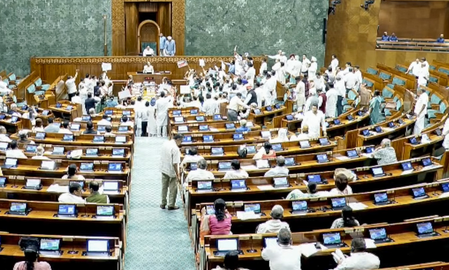
The first day of Parliament’s Monsoon Session saw chaos as Opposition disruptions led to adjournments despite calls for decorum. This disruption trend has become more common over the past decade, resulting in significant productivity losses. Reports indicate that each active minute in Parliament costs around Rs 2.5 lakh, including various expenses like maintenance, staff, security, and allowances.
Historical data shows that a large number of MPs have low attendance rates during sessions, raising concerns about their commitment to parliamentary duties. Members receive substantial allowances and benefits, including salary, constituency and office allowances, post-retirement pensions, and perks like free flights, train travel, and housing facilities. These privileges continue even during adjournments, highlighting a disconnect between the perks enjoyed and the legislative output.
The frequent disruptions and walkouts in Parliament have led to substantial financial losses and hasty passage of Bills without adequate scrutiny. This trend undermines the core principles of the Indian Constitution, which emphasize Parliament as the key platform for addressing national issues. Despite provisions for urgent debates, protests often disrupt proceedings, hindering structured discussions on critical matters.
The ongoing Monsoon Session’s tumultuous start reflects a preference for dramatic displays over meaningful legislative discourse. This situation not only hampers the government’s legislative agenda but also deprives the Opposition of opportunities to seek clarifications on important national issues. Electors, who fund the parliamentary system, expect their representatives to engage in substantive debates on crucial topics affecting the nation.
