

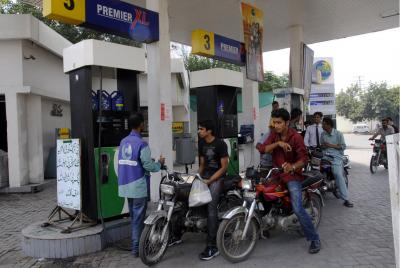
The recent sharp increase in petrol prices in Pakistan, soaring by approximately Rs 55 per litre in March 2026, has resulted in extensive queues at fuel stations, elevated transport fares, and widespread public discontent. The government attributes this surge to global oil price fluctuations and tensions in the Middle East. However, this crisis has unveiled underlying weaknesses in Pakistan’s energy infrastructure, as reported by Modern Diplomacy.
The escalating tensions involving the United States, Iran, and Israel have heightened concerns about instability in the Strait of Hormuz, a critical route for nearly one-fifth of the world’s oil supply. This vulnerability to geopolitical disruptions amplifies the impact of even minor global price fluctuations on domestic fuel prices.
Petroleum imports constitute a significant portion of Pakistan’s annual import bill, according to economic surveys by the Ministry of Finance Pakistan. The country’s heavy reliance on foreign energy sources, despite its substantial renewable energy potential, is highlighted by studies from the Institute for Energy Economics and Financial Analysis.
Petrol Price Surge in Pakistan Leads to Long Queues and Public Frustration


Indian Community Editorial Team
The Indian Community Editorial Team curates, verifies, and publishes stories that matter to Indians worldwide. From culture and community to business and innovation, our mission is to spotlight voices, ideas, and events that bring our global community closer together. Have news or a story to share? Submit it to us at [email protected].
Add A Comment