


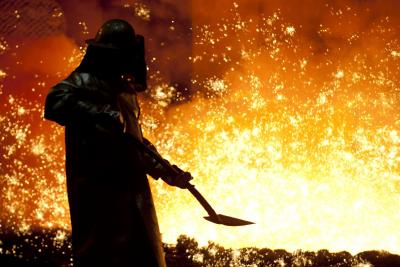
Prime Minister Narendra Modi highlighted the importance of carbon capture in driving India’s steel industry revolution towards achieving Net Zero 2070. Referring to Union Steel Minister H.D. Kumaraswamy’s article, PM Modi emphasized the critical role of the iron and steel sector in India’s economic growth, infrastructure development, and employment generation. With ambitious targets to increase crude steel capacity to 300 million tonnes by FY 2030–31 and 500 million tonnes by 2047, the steel industry remains central to India’s industrial aspirations.
Steel production in India is energy and emissions-intensive, mainly relying on blast furnace and coal-based direct reduced iron production routes. This reliance on coal as the primary energy source and reducing agent results in the sector contributing about 10 to 12 percent of the country’s total greenhouse gas emissions. Addressing this challenge is crucial not only for environmental reasons but also to enhance the competitiveness of Indian steel in a carbon-conscious global economy.
To transition towards cleaner steelmaking, the government has introduced the green steel taxonomy, setting emission intensity benchmarks and recognizing low-emission steel products as ‘green steel.’ This policy framework aims to boost demand for cleaner steel in various sectors while incentivizing producers to invest in emissions reduction technologies. Additionally, the Steel Ministry has allocated funds under the National Green Hydrogen Mission to pilot the use of green hydrogen in steel production, signaling a commitment to transformative technologies in the industry.
In efforts to achieve Net Zero emissions, the Indian steel industry is focusing on carbon capture, utilization, and storage. The recent allocation of Rs 20,000 crore in the Union Budget for piloting carbon capture technologies across sectors, including steel, is a significant policy move. Carbon capture systems offer a promising solution by capturing carbon dioxide from steelmaking processes, leading to substantial emissions reductions and supporting the industry’s long-term sustainability and competitiveness.
