


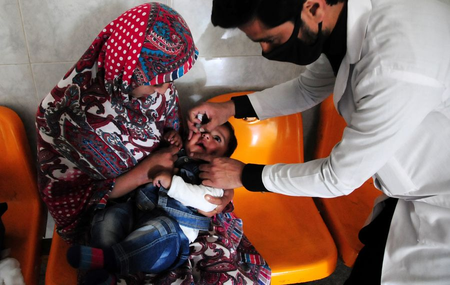
The fight against polio in Pakistan faces challenges not only from the virus itself but also from violent opposition to eradication efforts, as reported by Dawn. Recent attacks in KP’s Hangu and Bannu, along with parts of Balochistan, saw police escorts killed and polio workers abducted. Militants targeted immunization drives, labeling them as intelligence operations or foreign conspiracies, leading to uneven progress and vaccine refusal.
These setbacks have hindered progress, with Pakistan being one of the two countries where polio remains endemic. Despite a decrease in cases to single digits in recent years, periodic spikes occur due to missed children, allowing the virus to resurface. Protecting frontline workers is crucial, but the state’s response must go beyond security measures. Rebuilding trust through meaningful engagement with local communities, religious leaders, mosques, and clerics is essential to address the root causes of resistance.
In a tragic incident on April 13, a police constable was killed and four others injured while providing security for polio teams in Hangu. Similar attacks have occurred in Balochistan and Lahore, where parents refused polio drops for their children. These challenges highlight the urgent need for a comprehensive approach to tackle both the virus and the resistance faced by vaccination teams.
