
Close Menu
  • Indian Festivals 2026
  • Movie & OTT Releases This Week
  • News
  • Entertainment
  • NRI Life
  • Research
  • Advertise with us
Facebook X (Twitter) Instagram YouTube
  • Download Indian Community App
  • Advertise Here
Facebook X (Twitter) Instagram
Indian CommunityIndian Community
Trending
  • Mathe Male Hoyyuthide Review: A Heartfelt Generational Love Story Set in the Rains of Malenadu
  • M4M – Motive for Murder Review: A Gripping Telugu Crime Thriller That Turns Murders into Masterpieces
  • Ankam Attahasam Movie Review (2026): Madhav Suresh’s Gritty Trivandrum Gangster Drama Is a Raw, Riveting Ride
  • Citadel Season 2 Review (2026): Priyanka Chopra, Richard Madden & Stanley Tucci Make This Prime Video Thriller Unmissable
  • Dridam Movie Review: Shane Nigam’s Slow-Burn Cop Drama Is Gripping — Until It Isn’t
  • 29 Movie Review: A Heartfelt Romantic Drama That Blooms in Its Own Time
  • Razor Movie Review (2026): Ravi Babu Delivers a Gripping Survival Thriller
  • Sathi Leelavathi Review (2026): Lavanya Tripathi Shines in This Heartfelt Family Entertainer
  • Indian Festivals 2026
  • News
    • National
    • International
    • Entertainment
    • Achievements
    • Scam Alerts
    • Business
    • Health & Medicine
    • Science & Technology
    • Sports
  • Entertainment
  • Latest Movie Releases
    • Latest OTT Releases
  • NRI Life
  • India & Culture
  • Health & Wellness
  • Research
Indian CommunityIndian Community
Home » News » National
National

Political Cartoons in Bangladesh Facing Decline Amid Corporate Influence

Indian Community Editorial TeamBy Indian Community Editorial TeamMay 10, 20262 Mins ReadNo Comments Add us to Google Preferred Sources
Political Cartoons in Bangladesh Facing Decline Amid Corporate Influence
Share
Facebook Twitter LinkedIn Pinterest Email

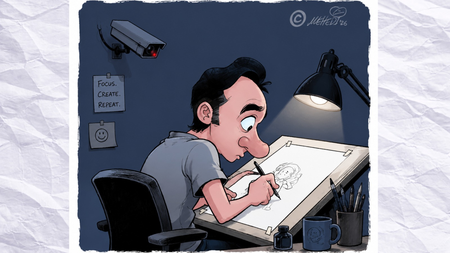
Political cartoons in Bangladesh, once a powerful tool for public dissent and satire, are disappearing from mainstream media. The decline is attributed to growing corporate influence, self-censorship, and the commercialization of news content. Leading Bangladeshi cartoonist Mehedi Haque expressed concerns about the shrinking space for political satire in the country. Haque noted that the decline started during a period of political dominance by a single party, as major corporate groups entered the media sector and favored ties with the government.

The role of social media in intensifying online backlash against political cartoons was also highlighted. Haque mentioned that artists faced lucrative opportunities aligned with the ruling establishment, leading many to choose these “safe” options over political satire. The decrease in political cartoons is more a result of self-censorship among artists fearing backlash and professional repercussions rather than direct censorship.

Haque emphasized that humor is diminishing in public discourse, giving way to outrage-driven content that is easier to monetize online. He stressed that political satire historically served as a gauge of press freedom and public dissent in Bangladesh. Haque lamented the loss of humor, noting that satire traditionally allowed societies to critique power structures with wit, reducing anger and division.

The report also underscored Haque’s criticism of corporate ownership in the media industry, which he believes has led to increased editorial caution on sensitive political topics. Despite facing legal notices for his work, Haque defended his cartoons confidently through factual reporting and responsible satire. Bangladesh has a rich tradition of political cartoons that have historically served as commentary on corruption, governance, and social issues in newspapers and magazines.

Political cartoons have played a significant role in protest movements and democratic discourse in Bangladesh. The decline in political cartoons reflects broader concerns about media freedom and the challenges journalists and artists face in the country’s changing political landscape. International reports have raised alarms about the growing difficulties confronting Bangladesh’s media institutions and the threats to press freedom.

Bangladesh Corporate Influence Dhaka Comics Mehedi Haque New Age Press Freedom Satire social media The Daily Star Unmad
Add us to Google Preferred Sources
Indian Community Editorial Team

The Indian Community Editorial Team curates, verifies, and publishes stories that matter to Indians worldwide. From culture and community to business and innovation, our mission is to spotlight voices, ideas, and events that bring our global community closer together. Have news or a story to share? Submit it to us at [email protected].

Related Posts

Make Social Media Accounts Public for US Visa: Mandatory Embassy Update for Indian Students

The Rise of Fake Currency Scams on Social Media: A Growing Threat

Add A Comment
find baby names

Punjab Kings to Face Delhi Capitals in IPL 2026 Clash

May 10, 2026

Actress Rakul Preet Singh Sparks Controversy at Gir National Park

May 10, 2026

US State Department Reports Expose China’s Repression in Tibet

May 10, 2026

Middle East Crisis Impacts Pakistan’s Wedding Industry

May 10, 2026
  • Facebook
  • Twitter
  • Pinterest
  • Instagram
About Us
  • About Us
  • Contact Us
  • Terms of Service
Corporate
  • Download Indian Community App
  • Advertise Here
Facebook X (Twitter) Instagram
  • About Us
  • Contact Us
  • Terms of Service
© 2026 Designed by CreativeMerchants.

Type above and press Enter to search. Press Esc to cancel.