


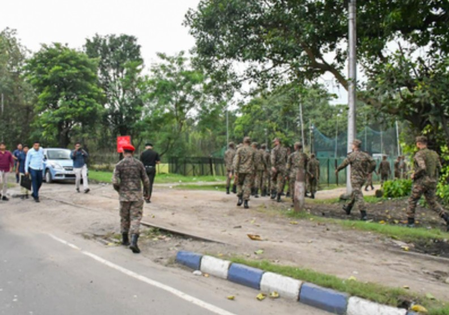
From “Dum Dum Dawai” to “sayesta kora” and “chomke deoa,” West Bengal’s political landscape is steeped in euphemisms that often signify dominance or retribution. Unlike previous eras, the current ruling party is experiencing a surge in post-election violence, a departure from the historical trend of continuity in political aggression across different regimes.
The term “Dum Dum Dawai” originated during the 1960s “khadya andolan” in response to a food crisis, evolving into a symbol of direct action or severe punishment under the Left regime. Over time, political violence in Bengal has been sustained by entrenched structures like cadre-based territorial control and the utilization of criminal elements for electoral dominance.
Various monikers like “Haathkata,” “Gaalkata,” and “Kana” have characterized the criminal-political nexus, with leaders like Adhir Ranjan Chowdhury acknowledging the role of violence in politics. The evolution of coercion tactics from Congress-backed youth gangs to Trinamool’s “cut money” politics reflects a shift in the mechanisms of control and intimidation in the state.
The aftermath of the 2021 Assembly elections has brought renewed focus on post-poll violence, with accusations exchanged between the ruling Trinamool Congress and opposition parties like the BJP and Congress. Amid allegations of attacks and intimidation, the cycle of violence continues, underscoring the deep-rooted history of political coercion in West Bengal.
