


Poor governance and political interference in Pakistan’s state-owned enterprises are resulting in significant losses, leading to these entities being sold off at very low prices, as per a report in Pakistan’s Express Tribune. The article highlights a pattern where governments delay necessary reforms, allowing these enterprises to deteriorate before opting for privatization as a last resort. This trend is seen consistently across various sectors, with political appointments replacing professional management and inefficiencies becoming the norm.
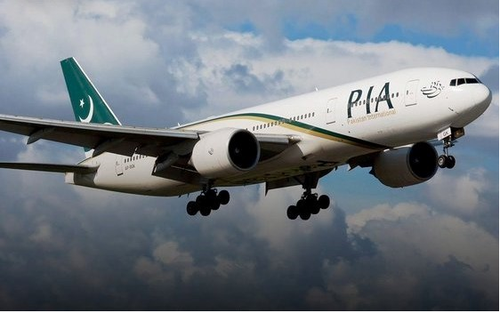
State-owned enterprises in Pakistan are often sold off in what is described as “fire sales,” rather than as part of a deliberate economic reform strategy. The article points out the case of PIA, once a respected airline, which suffered due to overstaffing, political interference, and lack of business sense. The airline was kept afloat with public funds, leading to a decline in service quality and competitiveness, until its eventual privatization was seen as an acknowledgment of governance failures.
While some view the privatization of companies like PTCL as a success story, with improved performance post-privatization, there are deep-rooted issues in Pakistan’s privatization process. The article notes that unresolved disputes post-privatization, such as pension and employment issues, indicate a lack of focus on human and legal concerns. Additionally, the assumption that privatization benefits consumers with lower prices is challenged by examples like K-Electric, where electricity tariffs have risen post-privatization.
The article also contrasts the privatization of British rail with public ownership models in European countries like Germany and France. It highlights how privatization in Britain led to fragmentation, delays, high fares, and reliance on aging infrastructure, while public ownership in Europe resulted in modern, efficient rail networks.
