


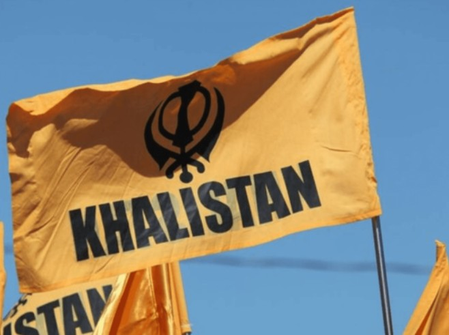
The recent intrusion of slogan-shouting pro-Khalistan activists at an Indian High Commission event in London, prompting police intervention, starkly contrasts with Sikhism’s core principles upheld for centuries. Political movements, as highlighted in an opinion piece by Harleen Kaur in Khalsa Vox, are intended to promote education, dialogue, economic opportunities, and community strength through reasoned discourse, not by disrupting services or intimidating individuals. Sikhs globally have garnered respect for their courage and compassion, not for disruptive actions like shouting slogans or causing public disturbances, emphasized Harleen Kaur.
By engaging in altruistic acts such as providing free meals through ‘langars’, offering disaster relief, protecting the vulnerable, and significantly contributing to public service and national progress worldwide, the Sikh community has established a reputation based on proactive service and deeds, she pointed out. However, Harleen Kaur expressed concern that this esteemed legacy is tarnished when a minority resorts to provocation instead of upholding fundamental values.
Advocating for Khalistan should be pursued through democratic channels, scholarly debates, political involvement, and peaceful persuasion if proponents genuinely believe in their cause, as emphasized by Harleen Kaur. Legitimate movements in democratic societies operate through civil discourse, not through intimidation or disruption. She lamented the incident as a tragedy, underscoring that such disruptions do not advance the activists’ purported cause but rather weaken it, leading to alienation, reinforcing negative perceptions, and hindering constructive dialogues.
The disruptive actions of Pro-Khalistan groups deviate significantly from the timeless teachings of Sikh Gurus, who have served as guiding beacons for millions of Sikhs. While the Gurus advocated for courage tempered with wisdom, conviction balanced with humility, and resistance rooted in righteousness, the activists opted for confrontation over dialogue, as highlighted by Harleen Kaur.
