


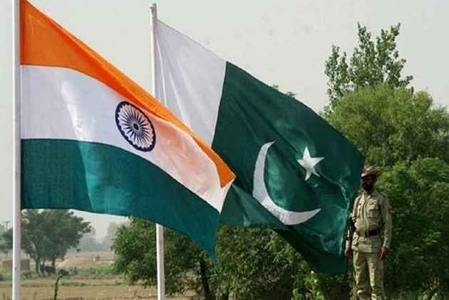
Many notable individuals from India and Pakistan have united to urge Prime Ministers Narendra Modi and Shehbaz Sharif to resolve the long-standing hostility between their nations. The appeal, endorsed by intellectuals and public figures, advocates for a fresh chapter in South Asian relations based on dialogue and cooperation rather than confrontation. It emphasizes the shared cultural and historical ties, pointing out the adverse impact of strained relations on ordinary citizens through restricted trade and limited cultural exchanges.
The letter stresses the importance of peace for economic growth, regional stability, and the well-being of millions in both countries. However, the complex political landscape in Pakistan, with multiple power centers vying for influence, poses challenges to meaningful dialogue. Unlike India’s centralized power structure, Pakistan’s political dynamics involve competing power centers, with the military holding significant sway.
Pakistan’s Army, led by General Asim Munir, plays a dominant role in shaping the country’s domestic and foreign policies. The military’s historical influence on foreign relations, particularly with India, often overshadows civilian governments. Any peace efforts with India would necessitate the military’s support, potentially marginalizing civilian leadership. Additionally, the presence of extremist groups operating freely poses a significant obstacle to peace initiatives, as they can disrupt progress through violence and intimidation.
Prime Minister Shehbaz Sharif, while in office, faces constraints due to the fragmented political authority in Pakistan. His Defense Minister’s inconsistent remarks reflect the lack of coherence within the civilian leadership, impacting Pakistan’s international credibility. In contrast, Prime Minister Narendra Modi of India holds a strong mandate and centralized authority, focusing on national security amidst regional tensions.
Despite occasional gestures of peace, such as inviting SAARC leaders to his swearing-in ceremony, Prime Minister Modi faces challenges in fostering lasting peace due to security concerns and past attacks. Efforts to improve India-Pakistan relations have been hindered by security issues and the influence of multiple power centers in Pakistan. The need for structural changes in governance and security environments is evident for sustainable peace in the region.
