


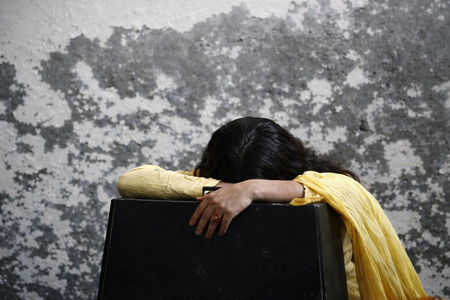
In Pakistan, the ownership of property, usually in the husband’s name, poses challenges for women seeking their rights within marriages, according to an attorney and activist. It is common for men to exert financial control over assets acquired during marriages, even after divorce, creating difficulties for women, especially in abusive relationships.
Rafia Zakaria highlighted a case where a woman, Amara Waqas, faced hurdles in reclaiming assets post-divorce, including a car and household items, all registered under her husband’s name. Despite filing for ‘khula’, a form of divorce initiated by Muslim women, Waqas struggled to secure her share of the property, leading her to approach the Islamabad High Court for resolution.
The court proceedings revealed a broader issue of women’s financial vulnerability in marriages. Justice Mohsin Akhtar Kayani emphasized the partnership aspect of marriage, acknowledging women’s non-monetary contributions. He cited Islamic principles mandating fair compensation for women, challenging the traditional notion of husbands as sole financial providers.
Zakaria pointed out the lack of clarity in Pakistani courts regarding asset division beyond the dower specified in marriage contracts. She advocated for equitable asset distribution, citing practices in other Muslim-majority countries. The court’s reevaluation of Waqas’ case, considering her financial and domestic contributions, signifies a potential shift towards fairer asset division in divorces.
The court’s stance not only impacts individual cases like Waqas’, but also sets a precedent for redefining marital dynamics in Pakistan. By recognizing contributions beyond formal ownership, the court aims to curb financial abuse within marriages, urging husbands to reconsider their claims of sole ownership based on title deeds.
