


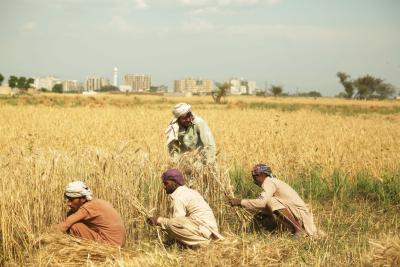
Protests were staged in over 100 cities in Pakistan calling for setting the minimum support price of wheat at PKR 4,000 per maund, opposing corporate farming, halting eviction notices to tenant farmers, and rejecting the plan to procure wheat through 11 private companies. The Pakistan Kissan Rabita Committee (PKRC) organized these protests on the International Day of Peasant Struggles, with demonstrations held in various cities of Punjab like Lahore, Multan, and Sargodha.
In Sindh, protests took place in areas including Shikarpur, Sukkur, and Hyderabad, among others. Similarly, demonstrations were also witnessed in Khyber Pakhtunkhwa’s regions like Peshawar, Swat, and Bannu. Balochistan saw protests in cities such as Quetta, Kalat, and Mastung. During a protest in Lahore, PKRC General Secretary Riffat Maqsood criticized the current government’s policies, stating that they have negatively impacted farmers during its two years in power.
Experts in Pakistan had earlier criticized the government’s promotion of corporate farming and land acquisition, expressing concerns over the displacement of farmers and the privatization of land and water resources, particularly in Punjab and Sindh. The Pakistan Kissan Rabita Committee (PKRC) had organized a meeting in Lahore where around 170 delegates from various farmers’ and rural workers’ organizations discussed the country’s economic, political, and environmental challenges. They attributed the rising input costs and falling farm incomes to IMF-driven neoliberal policies, emphasizing the hardships faced by small farmers and tenants.
Delegates at the meeting also highlighted climate-related issues such as floods, water scarcity, and soil degradation, noting the severe impact on rural communities. The gathering announced plans for nationwide protests against corporate farming, land grabbing, unfair crop prices, and the absence of a guaranteed minimum support price for farmers.
