


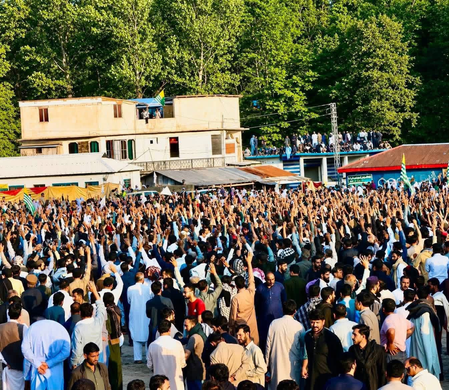
The unrest in Pakistan-occupied Kashmir (PoK) has escalated, with protesters in Rawalakot demanding freedom from Islamabad’s control. Chanting slogans like “PoK is not part of Pakistan” and “We want freedom,” the protesters highlighted a shift from local demands for reforms to a call for independence. Experts note a disconnect between the local population and the regional administration, seen as subservient to Islamabad.
The ban on the Joint Awami Action Committee (JAAC) and the use of force by Pakistani authorities reflect a strategy to suppress the growing unrest in PoK. Sardar Aman Khan of JAAC warned that continued suppression could lead people to seek closer ties with India. The situation has drawn attention to the government’s actions, with locals and the Kashmiri diaspora condemning the oppression in the region.
The political crisis in PoK has exposed the dominance of Islamabad over the region, with mainstream parties controlling power for decades. Elections in PoK and Pakistan-occupied Gilgit-Baltistan (PoGB) have consistently favored the party in power in Islamabad, raising concerns about the democratic process. Despite upcoming elections, it is expected that the existing political structure, under Islamabad’s control, will persist.
