


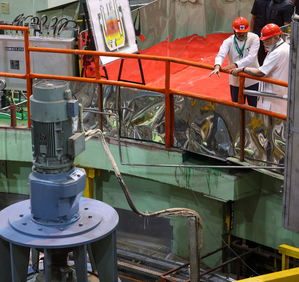
The Prototype Fast Breeder Reactor (PFBR) in Kalpakkam, Tamil Nadu, has attained criticality, a significant step towards India’s nuclear power ambitions. This achievement, after two decades of effort, propels India towards self-sufficiency in nuclear energy production. The PFBR’s success aligns with India’s Nuclear Energy Mission target of reaching 100 GW of nuclear power capacity by 2047.
This development signifies the initiation of the second stage of India’s three-stage nuclear power program envisioned by Dr. Homi Jehangir Bhabha. The PFBR is designed to generate more fuel than it consumes, enhancing India’s energy security objectives. Furthermore, the reactor’s operation will facilitate the production of Uranium-233 from thorium, a crucial step towards utilizing India’s abundant thorium reserves in the future.
The fast-breeder reactors at Kalpakkam are poised to play a pivotal role in India’s nuclear energy landscape by enabling the transition to the third stage of the program. This strategic shift will leverage thorium as a sustainable energy source, potentially fueling India for centuries. Currently, India’s nuclear capacity stands at 8.78 GW, contributing around three percent to the nation’s total electricity generation.
Efforts are underway to expand India’s nuclear power output to over 22 GW in the coming years through domestic initiatives and international collaborations. By progressing towards energy self-reliance with clean nuclear power, India aims to fortify its resilience against external energy disruptions while fostering long-term economic growth.
