
Close Menu
  • Indian Festivals 2026
  • Movie & OTT Releases This Week
  • News
  • Entertainment
  • NRI Life
  • Research
  • Advertise with us
Facebook X (Twitter) Instagram YouTube
  • Download Indian Community App
  • Advertise Here
Facebook X (Twitter) Instagram
Indian CommunityIndian Community
Trending
  • Narasimha Jayanti Prayers: Mahamantra, Katha & Aarti
  • Vada Pappu for Narasimha Jayanti – The Sacred No-Cook Moong Dal Prasadam That Asks Almost Nothing of You
  • Neer Mor Recipe — The Chilled Spiced Buttermilk That Completes the Narasimha Jayanti Thali
  • Phula (2026) Movie Review: A Soulful Tale of Resilience and Folk Art
  • Therachaapa Movie Review: A Rooted Rustic Drama Packed With Emotion and Grit
  • Salbardi (2026) Review: A Gripping Tale of Mystery and Justice From the Heartland
  • Bad Boy Karthik Review (2026): A Brother’s Fight That Packs Enough Heart to Win You Over
  • Matka King Review: Vijay Varma’s Finest Hour in a Gripping Bombay Crime Drama
  • Indian Festivals 2026
  • News
    • National
    • International
    • Entertainment
    • Achievements
    • Scam Alerts
    • Business
    • Health & Medicine
    • Science & Technology
    • Sports
  • Entertainment
  • Latest Movie Releases
    • Latest OTT Releases
  • NRI Life
  • India & Culture
  • Health & Wellness
  • Research
Indian CommunityIndian Community
Home » News » International
International

Qatar’s Prime Minister Rejects Iran’s Claim on Missile Attacks

Indian Community Editorial TeamBy Indian Community Editorial TeamMarch 4, 20262 Mins ReadNo Comments Add us to Google Preferred Sources
Qatar’s Prime Minister Rejects Iran’s Claim on Missile Attacks
Share
Facebook Twitter LinkedIn Pinterest Email

Qatar’s Prime Minister and Minister of Foreign Affairs, Sheikh Mohammed bin Abdulrahman bin Jassim Al-Thani, refuted Iran’s assertion that recent missile attacks were not aimed at Qatar. Evidence on the ground contradicts this claim, as stated during a phone conversation between the Prime Minister and Iran’s Foreign Minister, Abbas Araghchi. Qatar’s Ministry of Foreign Affairs reported that Araghchi insisted the missile strikes targeted American interests, not Qatar.

Sheikh Mohammed countered this by highlighting that civilian and residential areas in Qatar were indeed hit. The affected locations included Hamad International Airport vicinity, critical infrastructure, industrial zones, and liquefied natural gas production facilities. Describing the strikes as a blatant breach of Qatar’s sovereignty and international law, he noted that the attacks involved not only missiles but also ongoing drone activities and unauthorized aircraft intercepted by Qatari armed forces.

The Prime Minister criticized Iran’s actions as escalatory and lacking a genuine intent to de-escalate or resolve conflicts. He accused Tehran of trying to embroil its neighbors in a dispute that does not concern them. Urging an immediate halt to attacks on regional states striving to stay out of the conflict, Sheikh Mohammed emphasized the importance of prioritizing people’s broader interests. While advocating for dialogue and diplomacy, he made it clear that any violation of Qatar’s sovereignty, security, or territorial integrity would be met with a response, citing Qatar’s right to self-defense under Article 51 of the UN Charter.

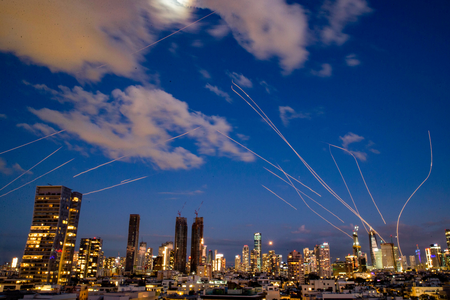
The escalation traces back to February 28 when the US and Israel jointly conducted military strikes against Iran, known as “Operation Epic Fury,” resulting in the deaths of Iran’s Supreme Leader Ayatollah Ali Khamenei and other senior commanders. Following failed diplomatic talks in Geneva, the US claimed the strikes aimed to degrade Iran’s nuclear and missile infrastructure preemptively. Iran retaliated with missile and drone attacks on US assets and bases in various Gulf nations, including Kuwait, Qatar, the UAE, and Bahrain.

This conflict has drawn several Gulf Arab states hosting significant US military installations directly into the crisis, compelling them to balance sovereignty concerns with the risk of becoming targets. The situation has sparked global apprehension over the Strait of Hormuz, a vital route for approximately 20% of the world’s oil, as disruptions in tanker traffic lead to escalating energy prices.

Abbas Araghchi Ayatollah Ali Khamenei Bahrain Geneva Gulf Arab states Hamad International Airport Iran Israel Kuwait Qatar Sheikh Mohammed bin Abdulrahman bin Jassim Al-Thani Strait of Hormuz uae UN Charter US
Add us to Google Preferred Sources
Indian Community Editorial Team

The Indian Community Editorial Team curates, verifies, and publishes stories that matter to Indians worldwide. From culture and community to business and innovation, our mission is to spotlight voices, ideas, and events that bring our global community closer together. Have news or a story to share? Submit it to us at [email protected].

Related Posts

Student Visas : Why Studying in the US, UK, Canada and Australia Is Getting Harder for Indians

UAE Remote Working Visa 2026: New Income Proof Rules You Need to Know

H-1B Visa Interview Appointments for Indians Pushed to 2027: What You Need to Know Now

Add A Comment
find baby names

Director Chidambaram Manivannan’s New Web Series ‘Brothers and Sisters’ to Premiere on Jio Hotstar in May

April 22, 2026

Comedian Samay Raina’s Comedy Special ‘Still Alive’ Breaks Global Viewing Records

April 22, 2026

Government Committee to Review Voting Rights Cap in Indian Banks

April 22, 2026

Real Estate Industry in India Sees 32% Surge in Land Acquisitions in 2025

April 22, 2026
  • Facebook
  • Twitter
  • Pinterest
  • Instagram
About Us
  • About Us
  • Contact Us
  • Terms of Service
Corporate
  • Download Indian Community App
  • Advertise Here
Facebook X (Twitter) Instagram
  • About Us
  • Contact Us
  • Terms of Service
© 2026 Designed by CreativeMerchants.

Type above and press Enter to search. Press Esc to cancel.