


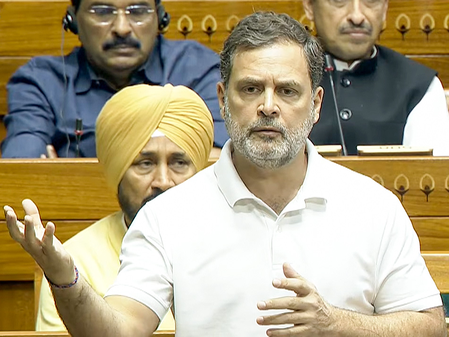
Congress MP Rahul Gandhi’s recent accusation that the government has compromised national interests in a trade deal with the US has sparked debate. Observers point out that Gandhi’s own party, the Congress, had signed the Indo-US Civil Nuclear Agreement in 2008, which faced criticism for its intrusive commitments. The agreement required India to separate its nuclear activities into civilian and military streams, subjecting a significant portion of its energy infrastructure to international monitoring.
Critics argue that the agreement reshaped India’s nuclear program and imposed restrictions that impacted its long-term nuclear vision. The deal, celebrated by the UPA government as a diplomatic triumph, also linked India’s nuclear testing moratorium to strategic constraints. Experts highlight that the US expected India to comply with international inspections and restrictions on technology transfer, raising concerns about sovereignty. Despite the UPA’s past support for such agreements, Gandhi’s accusations of “selling out” by the current government are being questioned in light of historical decisions.
