


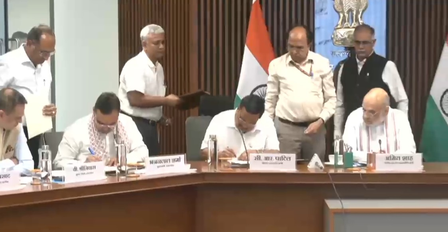
In a significant milestone for Rajasthan’s water security, the long-pending Yamuna Water Agreement has finally come to fruition after 32 years. This agreement ensures the supply of 1,917 cusecs of Yamuna water through a 295-kilometre pipeline, aiming to transform the water landscape of Shekhawati. It is expected to provide relief to areas like Jhunjhunu, Sikar, and Churu by reducing groundwater dependence and improving water availability for drinking, agriculture, and industries.
The project not only resolves a longstanding dispute but is also seen as a testament to political will and effective governance. For many families facing chronic water scarcity, this development is anticipated to be life-changing, offering a sustainable source of surface water. Despite the agreement being in place since 1994, successive governments failed to materialize it, citing a lack of sustained political commitment.
The recent breakthrough came after sustained negotiations and engagement with the Centre and Haryana, highlighting the importance of political determination. The project’s significance goes beyond drinking water, with expected benefits for agriculture, industries, urbanization, and economic growth. By converting a longstanding commitment into action, the current government emphasizes the difference between political promises and administrative delivery, setting a precedent for resolving interstate issues through cooperation and decisive leadership.
