


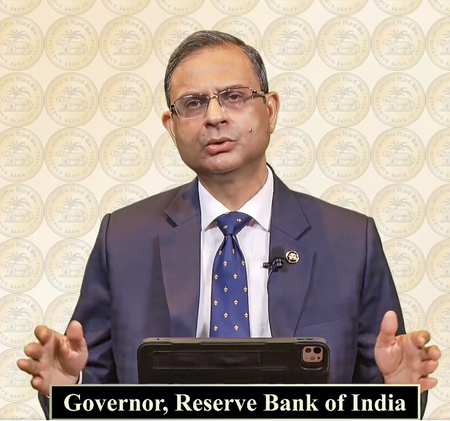
RBI Governor Sanjay Malhotra stated that if the Middle East conflict persists, India might have to increase petrol and diesel prices due to the surging cost of crude oil globally. He emphasized that the escalating energy prices resulting from the Iran conflict are challenging India’s flexible inflation targeting, potentially requiring intervention by the Reserve Bank. The upcoming monetary policy meeting of the central bank is scheduled for June 5, where decisions on key interest rates will be made to support economic growth.
The Governor suggested that raising retail fuel prices is inevitable if the crisis in West Asia continues, leading to higher transportation costs and inflation. During the April 2026 meeting, the RBI’s Monetary Policy Committee unanimously opted to maintain the repo rate at 5.25 per cent, maintaining a neutral stance. This decision reflects a cautious approach to balance domestic growth with inflation concerns amidst global uncertainties.
Malhotra mentioned at a conference hosted by the Swiss National Bank and the International Monetary Fund in Switzerland that the RBI is increasingly data-dependent and prepared to act if shocks are persistent rather than temporary. He noted that excise duties have been reduced, and public sector oil companies are absorbing the impact of rising global crude prices amid the ongoing Middle East conflict.
Petroleum Minister Hardeep Singh Puri assured that India has sufficient stocks of petrol, diesel, and LPG, but hinted at potential price hikes due to significant losses incurred by public sector oil companies. Puri highlighted that state-run oil marketing firms are facing daily losses of nearly Rs 1,000 crore as fuel prices remain unchanged despite soaring global crude oil costs exceeding $100 per barrel.
India heavily relies on imported crude oil, with 88 percent of its requirement sourced from abroad, leading to increased production costs for petrol, diesel, and LPG with any uptick in global prices. Minister Puri disclosed that under-recoveries have reached Rs 1.98 lakh crore, with losses for the current quarter nearing Rs 1 lakh crore. He also mentioned that LPG production has been ramped up to ensure uninterrupted supply, with India currently holding crude stocks equivalent to approximately 76 days of demand.
