


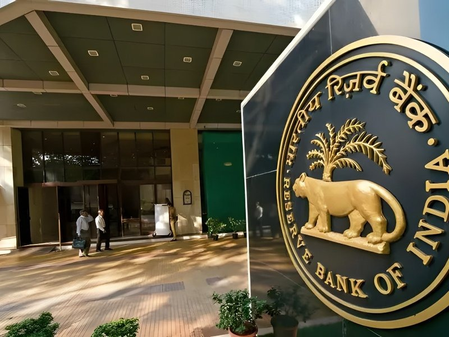
The Reserve Bank of India (RBI) has unveiled measures to address tight liquidity conditions by infusing a substantial sum into the banking system. Through open market operations (OMOs) and a foreign exchange swap, the central bank plans to inject nearly Rs 3 trillion in the upcoming weeks. As part of this initiative, the RBI will purchase government bonds worth Rs 2 trillion through OMOs, with transactions divided into four equal tranches of Rs 50,000 crore each on specific dates.
Market experts anticipate that the RBI’s significant liquidity injection was largely anticipated, especially following its recent dollar-selling intervention in the foreign exchange market. The central bank’s proactive measures were triggered by a liquidity squeeze resulting from its interventions in the currency market to stabilize the rupee amidst uncertainties regarding trade deals and foreign investor outflows from Indian markets. Participants view the RBI’s actions as timely and adequate for the current scenario, with potential further steps contingent on evolving liquidity conditions and the necessity for additional foreign exchange market interventions.
During a recent monetary policy meeting, RBI Governor Sanjay Malhotra affirmed the central bank’s commitment to maintaining sufficient liquidity within the banking system. He emphasized that this support would persist without a formal target surplus level, reassuring markets of the RBI’s liquidity management strategies. Notably, the RBI has already injected around Rs 1.45 trillion of durable liquidity in December through various measures, including bond purchases and forex swaps.
Bond market observers suggest that conducting OMOs in more liquid government securities could enhance participation and facilitate better price discovery. They highlight the importance of using liquid bonds to prevent banks from bidding at higher levels to secure gains, thereby maximizing the effectiveness of such operations. Earlier in the year, the RBI had provided substantial liquidity support, injecting approximately Rs 9.5 trillion into the banking system in the first half of the calendar year, transitioning from a liquidity deficit to a surplus by the year-end through a combination of open market purchases, long-term repo operations, and USD/INR buy-sell swaps.
