


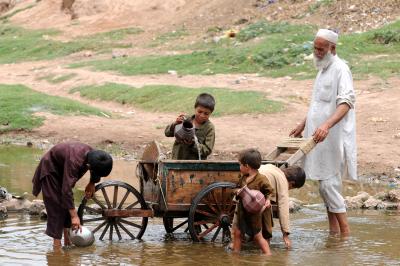
Children from underprivileged families in Pakistan face significant obstacles in accessing quality education compared to their wealthier counterparts. It is estimated that around 26.2 million children, including 13.4 million girls, are out of school in the country, with 20-28% of school-age children not enrolled due to various challenges, often prioritizing survival over education. The disparity in educational opportunities raises questions about the systemic barriers that perpetuate inequality and limit the prospects of marginalized children.
The editorial in The Express Tribune questions the unequal distribution of quality education, highlighting how societal structures favor privileged children while leaving millions with inadequate alternatives. It emphasizes that children are born without inherent class distinctions and stresses the importance of addressing the factors that hinder equal access to education, healthcare, and social participation. The editorial underscores the need to break the cycle of inequality that persists across generations.
Mujeeb Ali, an Assistant Professor, echoes concerns about the persistent disparities in education, noting that children from affluent backgrounds tend to have better access to quality schooling, healthcare, and career opportunities, leading to prestigious professions. In contrast, children from disadvantaged families continue to face structural barriers in education, perpetuating a cycle where talent is overshadowed by limited opportunities. The stark contrast in outcomes underscores the urgent need to address the systemic issues that impede equal educational prospects for all children in Pakistan.
