


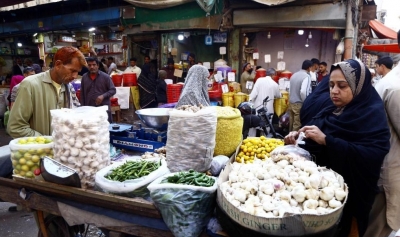
Retailers in major Pakistani cities have hiked prices of confectionery and daily-use items like fresh fruits, attributing it to the recent surge in petroleum prices. Despite most shops still selling goods from older stock, consumers are facing concerns over the price hikes. Following a government increase in petrol and diesel prices by PKR 55 per litre on March 7, shopkeepers raised prices on products such as noodles, toothpaste, biscuits, clothes, and local chocolates.
Residents, like Wafa Abbas from Islamabad, have noted a PKR 10 increase in prices for various basic items. Shopkeepers, however, have defended the price adjustments, citing higher distribution and transportation costs as reasons for the changes. The lack of prior warning from the government has left traders struggling to balance their stocks and pricing strategies.
According to reports, the price of pulses has surged by PKR 15 to PKR 20 per kilogram, with traders warning of potential further increases in packaged food and confectionery prices if petroleum costs remain elevated. Despite sufficient supplies, green grocery prices, especially tomatoes and chillies, have also risen in Islamabad markets, with shopkeepers pointing fingers at wholesale markets and commission agents for the price spikes.
The recent spike in petrol and diesel prices in Pakistan, following global oil price surges and heightened shipping costs due to geopolitical tensions, has put pressure on consumers. The country’s energy import dependence has left it vulnerable to passing on these cost increases to the public, with experts suggesting that the current PKR 55 per litre hike may just be the beginning of price adjustments.
